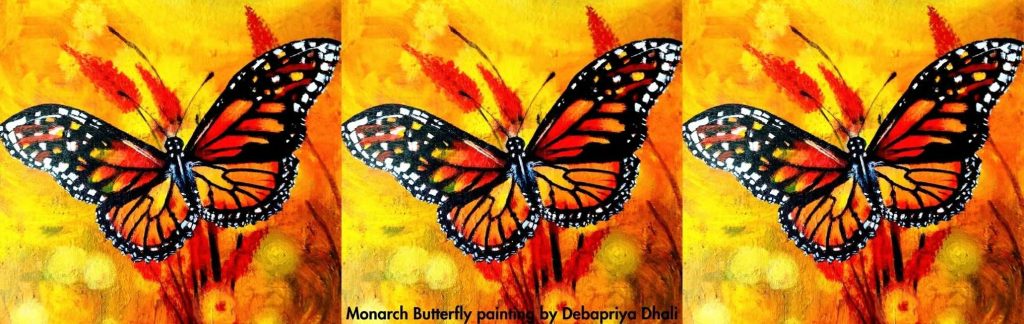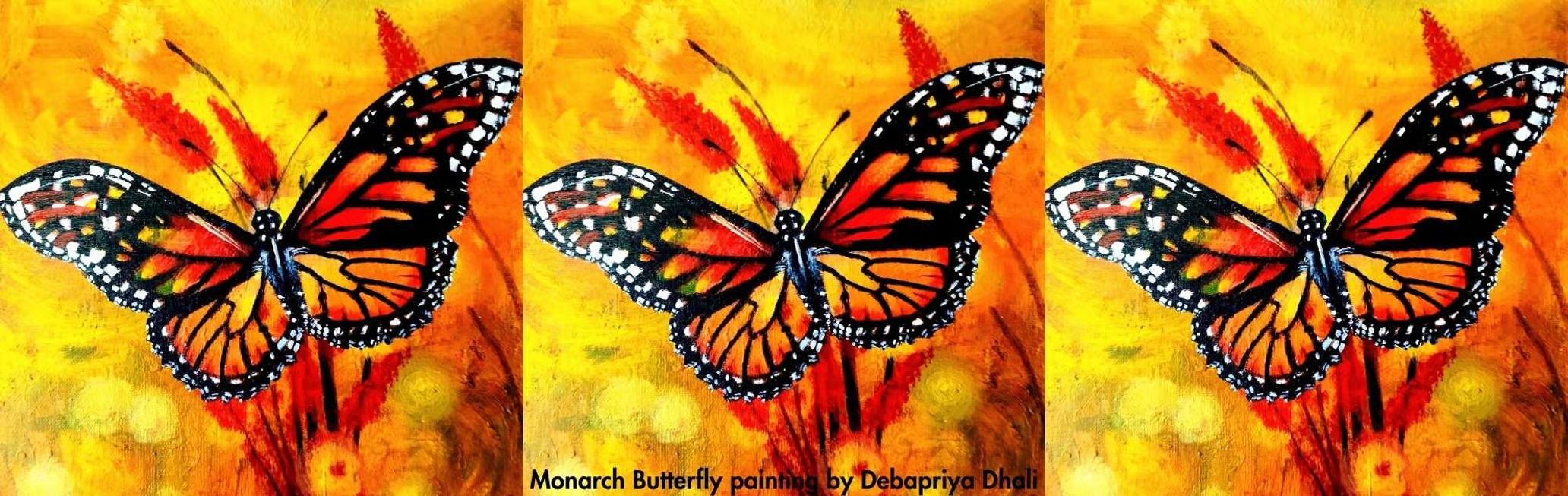
There was a time when butterflies were a common sight fluttering across streets, fields, gardens, rooftops, everywhere as the spring hit. It is March already and I haven’t seen a single butterfly in sight as someone who lives among the most vibrant streets of Kolkata : the city of joy. Today, their decline is becoming harder to ignore. Across the world, butterfly populations are shrinking at an alarming rate. While this loss may seem small compared to larger wildlife crises, it signals something far more serious: a rapidly changing environment that is affecting all life forms, including humans.
Butterflies are not just symbols of beauty. They play a critical role in maintaining ecological balance. As pollinators, they help plants reproduce, they are a pollination powerhouse, even though they are not as efficient as bees, they travel further, making them crucial for long-distance pollination. They play the key role in supporting food systems and biodiversity. Butterflies are not just pretty, they are a major food source for many animals. If butterflies disappear, it creates a domino effect disrupting an entire ecosystem. More importantly, butterflies act as indicators of environmental health. When butterfly populations decline, it often reflects deeper issues such as habitat loss, pollution, and climate change. They help maintain plant genetic diversity.